2026 AI Infrastructure: CPUs Surpass GPUs in Inference
Inference workloads are moving to CPUs and ARM chips, and many infrastructure teams face uncharted cost territories.
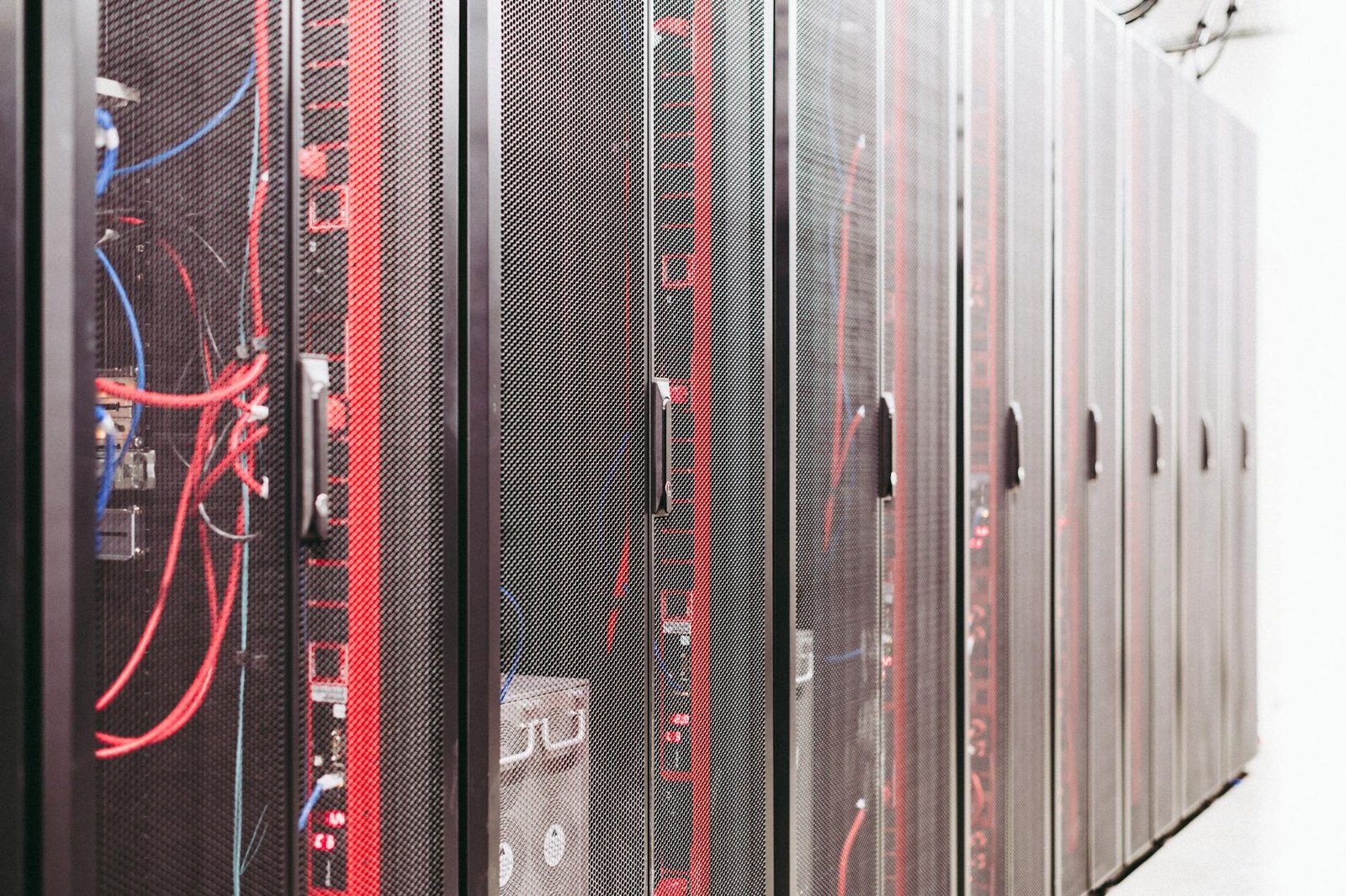
A fundamental transition is underway in AI infrastructure: inference workloads are veering from high-performance GPUs to high-core-count CPUs and ARM chips. Real talk. This change, driven by cost savings and performance demands, is redefining the industry and causing infrastructure teams to scramble. With 2026 on the horizon, the stakes are sky-high, and the implications are considerable.
Current State of AI Inference Workloads
The AI arena has rapidly transformed in recent years, with inference workloads increasingly demanding both efficiency and speed. High-end GPUs like the NVIDIA H100 have long held sway here, but changes are afoot. CPUs and ARM chips are becoming formidable players, especially for inference tasks. This shift is motivated by the need for reduced latency and economical solutions.
many companies remain deeply entrenched in GPU infrastructure. Is growing less suitable for inference as models become more messy and user demands surge. The cost repercussions of this transition are substantial. Trade-off. Many infrastructure teams haven't even started to grapple with these changes, leaving them vulnerable to unforeseen costs as they expand operations.
The Shift Towards CPUs and ARM for Inference
As inference needs evolve, the belief that CPUs are surpassing GPUs is gaining momentum. The primary factors are the increased efficiency of high-core-count CPUs and the emergence of specialized ARM chips like AWS Graviton4. These architectures manage parallel workloads more adeptly. Here's why. Real talk. Making them indispensable for contemporary AI applications.
Recent industry benchmarks show Llama-3.1 inference on an NVIDIA H100 costs around $0.15 per query. An Intel Sapphire Rapids CPU brings it down to $0.05. Deploying AWS's Graviton4 chips can further trim that cost to approximately $0.03. This transition is a burgeoning reality that many teams need to acknowledge.
Data-Driven Evidence Supporting the Transition
To understand this shift's implications, let's scrutinize some figures. A recent report from Modal Labs highlights a clear trend in Llama-3.1's operational costs across various infrastructures. With an NVIDIA H100, costs per hour can soar past $3,000, while with Intel's Sapphire Rapids, they hover around $1,200. In sharp contrast, AWS Graviton4 can offer even lower expenses, with hourly costs approximately at $800.
These numbers reveal a substantial cost advantage for enterprises ready to rethink their infrastructure. Companies such as Together AI and CoreWeave are already making the switch. Realizing significant savings that can be redirected into boosting their AI capabilities. Trade-off. As inference demand grows, the necessity to adopt more cost-effective solutions becomes increasingly evident.
When the GPU Advantage Holds Strong
Nonetheless, it's key to recognize circumstances where GPUs still excel. For certain workloads, particularly those requiring intensive training or elaborate model fine-tuning, GPUs continue to excel. In cases involving exceptionally large models or real-time processing across massive datasets. GPUs shine due to their parallel processing prowess.
For instance. Companies specializing in real-time video analysis or 3D rendering might find the NVIDIA H100's efficiency worth its cost. Sometimes. Sometimes. In these scenarios, retaining GPUs could yield superior performance metrics, rendering it a necessary investment rather than a liability.
Strategic Recommendations for Infrastructure Teams
Given the current trajectory, infrastructure teams need to reevaluate their strategies. Consider these practical steps:
- Conduct a careful cost analysis of current workloads and potential shifts to CPU or ARM architectures.
- Initiate pilot projects using AWS Graviton or Intel Sapphire Rapids to assess performance against existing GPU setups.
- Stay informed about upcoming models and architectures poised to disrupt the market.
- Invest in training for teams to deepen their understanding of new technologies and their implications.
- Engage with cloud service providers to explore hybrid solutions that can optimize both performance and cost.
By adapting to this shift. Companies can strategize favorably in a transforming environment.
The Future of AI Inference Infrastructure
Looking forward, the expected demand slump in 2027 might expedite these trends further. As more organizations transition to AI-driven processes, the demand for scalable, cost-effective inference solutions will only intensify. Assuming current trends persist. Worth the bill. We may witness a sizable portion of inference workloads transitioning from GPU-centric models to CPU and ARM solutions.
Infrastructure teams that use this change early will save costs and boost operational efficiency. Being ahead could be the defining factor that differentiates successful companies in the future of AI.
Read the full reviews
AWS Graviton chips are central in the transition towards CPU-based inference, offering economical alternatives to GPU for Llama-3.1…
The H100 sets the standard for high-performance inference, but its costs might drive teams toward more efficient options…
Modal Labs is optimally positioned to capitalize on the migration to CPU inference, providing tools fine-tuned for high-core…
Together AI's infrastructure is tailored for CPU-based inference, in line with the trend discussed in the article.
CoreWeave's heavy investment in GPU offerings could face challenges with the shift to CPU inference testing its current…
Lambda Labs' GPU offerings might encounter pressure as inference workloads begin migrating to CPUs, impacting their market stance.
RunPod's versatile infrastructure could adapt to the demand for CPU-based inference as teams reassess their resource assignments.
The MI300 presents an alternative to NVIDIA's GPUs, but its efficacy in inference workloads will be tested against…
Questions readers actually ask
Is this thesis already priced in?
What if I'm on a tight budget?
Which company benefits most?
Can I keep one of my existing tools?
External reporting referenced in this piece
- Google, Blackstone launch AI infrastructure joint venture - SiliconANGLE — SiliconANGLE, Tue, 19 May 2026
- Bitcoin Miners Emerge as Unlikely Power Brokers in AI Infrastructure Race, Says Bernstein - Decrypt — Decrypt, Tue, 19 May 2026
- Midco announces historic connectivity deal to support AI infrastructure - SiouxFalls.Business — SiouxFalls.Business, Tue, 19 May 2026
- Google, Blackstone back AI infrastructure venture to support data center demand - ESG Dive — ESG Dive, Tue, 19 May 2026
- Blackstone, Google Launch $5B AI Infrastructure JV - connectmoney.com — connectmoney.com, Tue, 19 May 2026
- Dell Bulks Up Hardware As AI Infrastructure Shifts To On-Premises - The Next Platform — The Next Platform, Tue, 19 May 2026
Sam writes about AI infrastructure, GPU economics, and the inference market. Background in distributed systems at a hyperscaler.