Figma vs. Sketch: Choosing the Right UX Design Tool in 2026
This guide compares Figma and Sketch, revealing when to stick with these tools or explore alternatives.
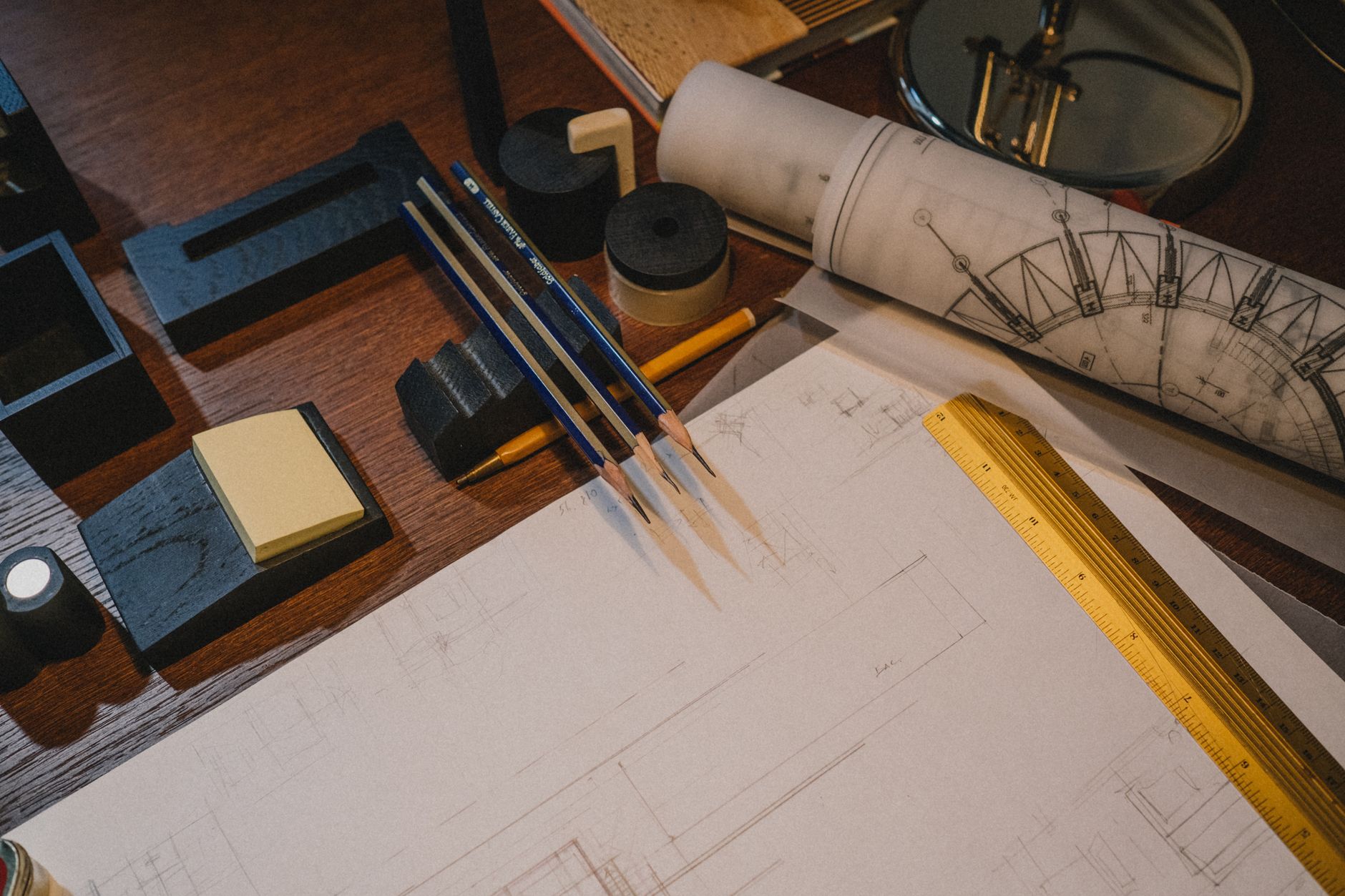
Figma and Sketch are key players in UX design, but they don't fit every situation. In 2026, designers must evaluate their specific needs, sometimes opting for paper prototyping or simpler methods works better. This guide highlights the strengths of both tools and scenarios where alternatives shine or where you might even skip digital tools altogether.
Understanding the Current UX Design Tools
The UX design market in 2026 is evolving. Figma and Sketch remain prominent, but their hold is loosening as new tools emerge. Integrated platforms like Adobe XD and niche players such as Framer and Axure have diversified the design tool options. Sort of. Recent data from Statista shows Figma claiming a 37% market share, Adobe XD at 29%, and Sketch at 21%. This fragmentation complicates designers' choices.
Designers now face various options, each with unique features and pricing. Figma's collaborative capabilities have made it the default choice for remote teams, while Sketch has continued to improve its plugin ecosystem. However, both tools come with limitations, and some designers experience fatigue from too many options. As noted in a recent UX Collective article. Many teams are experimenting with low-tech methods, like paper prototyping, to balance speed and feedback.
Why Figma Leads in Collaboration
Figma’s collaborative strengths make it a leader in UX design. That's the thing. The real-time editing feature allows multiple designers to work on a project simultaneously, which is essential for teams spread across different locations. This has become increasingly relevant in 2026, where remote work is now standard. A survey by the Design Management Institute found that 75% of design teams operate remotely. Worth the bill. Making tools that support smooth collaboration indispensable.
Figma's integration with tools like FigJam provides a complete experience that covers brainstorming and design in one platform. But Sketch has made strides in collaboration but still falls short in real-time editing. For teams prioritizing collaboration, Figma stands out. Its pricing structure, starting at $12 per editor each month, is competitive compared to Sketch's $9 per month for a single user, making Figma appealing for larger teams.
The Case for Sketch: An Established Legacy
While Figma may excel in collaboration, Sketch remains a strong option, especially for those who value a simplified workflow and powerful plugins. Sketch’s extensive plugin ecosystem allows designers to significantly customize their workflow. The recent addition of plugins like 'Craft' and 'Sketch Runner' enables users to enhance their design process with automation and simplified asset management.
Sketch's cost-effectiveness stands out. Trade-off. For teams that don’t need real-time collaboration, Sketch's perpetual licensing model (around $99 annually) can be more economical than Figma's subscription pricing. Sometimes. The design community appreciates Sketch for its simplicity and focus, particularly among smaller teams or freelancers who don’t require extensive collaboration features.
When considering alternatives or Back to Basics
Even with the strengths of Figma and Sketch. There are scenarios where exploring alternatives or reverting to traditional methods might be the best approach. For instance, if your team is tackling a project that requires extensive iteration and feedback from non-designers, tools like InVision may prove more effective due to its prototyping capabilities. One catch. InVision’s user testing features allow for gathering actionable feedback without the complexities of design tools.
for early-stage projects. Paper prototyping can be surprisingly effective. It encourages creativity and quick iterations without the constraints of software. A recent study in the Journal of Usability Studies found that teams using low-tech methods reported a 40% increase in speed during the ideation phase. Worth the bill. Sometimes, the simplest solutions yield the best results.
Making an Informed Decision: Strategy for Teams
When choosing between Figma and Sketch, or exploring alternatives, teams should assess their specific needs and workflows. Start by evaluating your team size and project type. If collaboration is critical, Figma is likely the better choice. However, for teams that value cost-effectiveness and a rich plugin ecosystem, Sketch may be the way forward.
The learning curve also matters. Figma’s interface is intuitive. But some designers find Sketch’s layout more familiar and easier to navigate. Conducting internal workshops can help determine which tool resonates better with your team. Finally, consider your design process's long-term vision. If you anticipate a shift towards more agile and remote collaborations, investing in Figma could pay off significantly.
What Lies Ahead for UX Design Tools
The future of UX design tools is dynamic. With rapid advancements in AI and machine learning, we can expect tools to become more integrated and intelligent. A recent Gartner report indicated that 60% of design teams plan to integrate AI-driven features into their workflows by 2027. This could mean smarter automation in tools like Figma and Sketch. Allowing designers to focus more on creativity rather than tedious tasks.
the concept of design systems is gaining traction. Teams are focusing on building reusable components and patterns, which could lead to the rise of tools specializing in design system management. Whether Figma, Sketch, or a newcomer emerges as the leader, one thing is clear: the UX design market will continue to evolve. Teams must stay adaptable to stay ahead.
Read the full reviews
Adobe XD provides powerful prototyping features that serve as a solid alternative to Figma and Sketch for complex…
InVision's collaborative design features enhance team feedback processes, making it a valuable option for teams prioritizing iterative design.
Axure enables high-fidelity prototyping and user testing, catering to designers who need advanced functionality beyond Figma and Sketch.
Figma's cloud-based collaboration model is integral to modern design workflows, emphasizing real-time teamwork in 2026.
Sketch remains a solid choice for macOS users seeking a refined design environment, especially for static designs and…
Questions readers actually ask
Is this thesis already priced in?
What if I'm on a tight budget?
Can I keep one of my existing tools?
How do I negotiate this lower?
External reporting referenced in this piece
- From Sketchbook To Superhero: Texas Author Ros Hill Brings Imagination To Life In Debut Novel - KXAN Austin — KXAN Austin, Fri, 14 Aug 2026
- GMN Weather Sketch: Amber - WDIO.com — WDIO.com, Fri, 14 Aug 2026
- Police release sketch of suspect in Sugar Land baseball bat attack - CW39 Houston — CW39 Houston, Fri, 14 Aug 2026
- Shane Gillis Skewered Sports Betting Apps in SNL's "Rock Bottom Kings" Parody - NBC TV Network — NBC TV Network, Fri, 14 Aug 2026
- Classic Sketch Comedy ‘Second City Television’ (SCTV) Coming to Netflix For The First Time Ever - What's on Netflix — What's on Netflix, Fri, 14 Aug 2026
- Sketch released of man accused of attacking woman with baseball bat in Sugar Land - KHOU — KHOU, Fri, 14 Aug 2026
Priya covers B2B SaaS, sales tooling, and CRM economics. Former early engineer at a Series C SaaS, now editor at GAX Online.