The 2026 Browser Wars: Arc's Exit, Dia's Success, and Comet's Ascent
As Chrome maintains its position, we explore the futures of Arc and Dia and evaluate the rising impact of Perplexity's Comet.
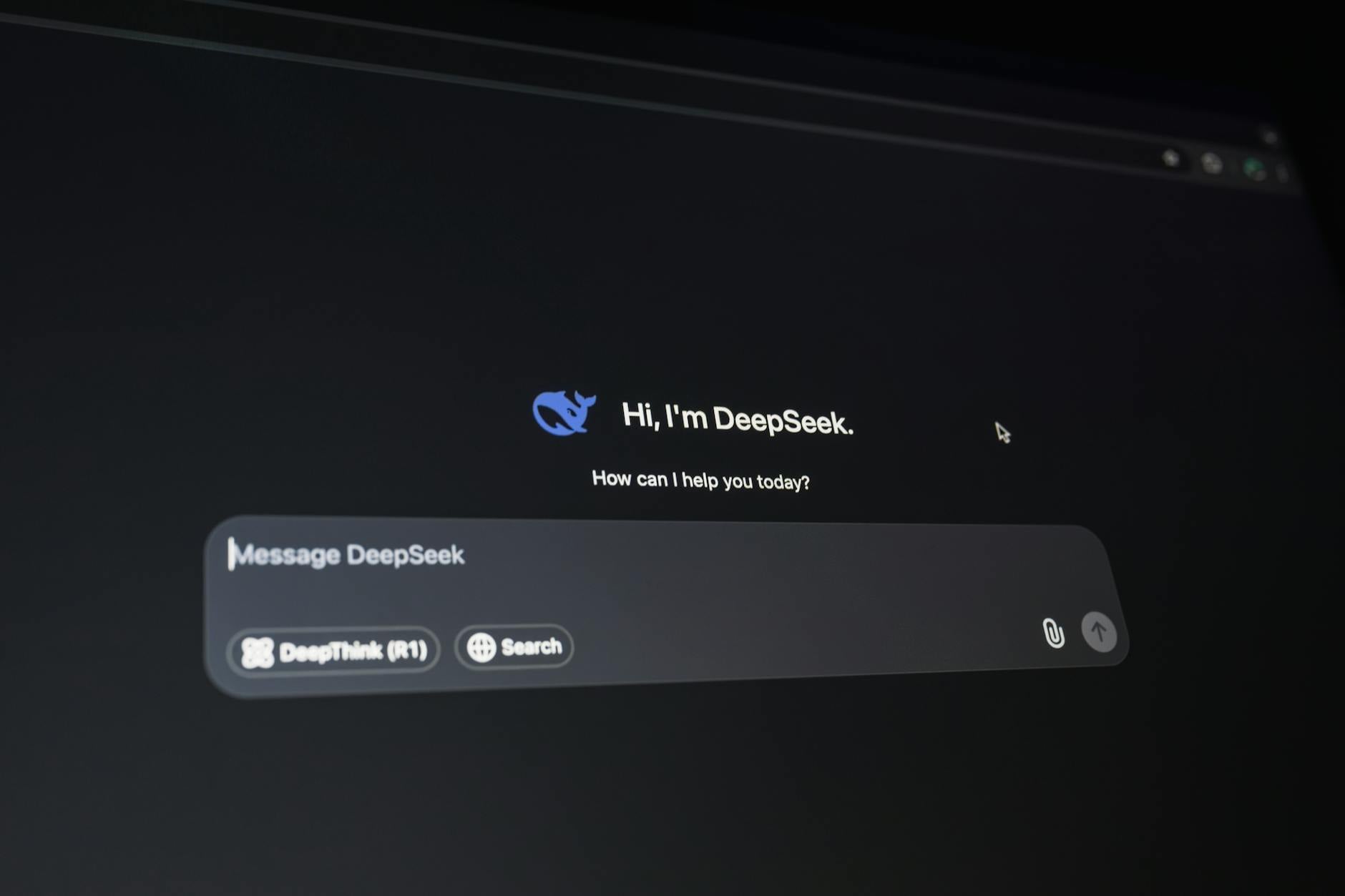
The 2026 browser market reveals a distinct divide: The Browser Company’s Arc has shut down, while Dia flourishes. Meanwhile, Perplexity’s Comet is catching eyes. Chrome still commands 70% of the market. What fuels these shifts, and could a serious rival emerge to challenge Chrome's grip? Yes and no. Let's examine the data and trends shaping productivity in the browser arena.
The Current State of Browser Competition
The 2026 browser market is a battleground led by Google Chrome, boasting an impressive 70% market share. Mostly true. Despite facing many challengers, Chrome's technical superiority, vast extension ecosystem, and Google's resources keep it firmly in control. Depends. Browsers like Safari and Firefox persist but struggle to gain ground in this market.
Productivity-focused browsers are shifting the dynamics. The Browser Company’s Arc once looked like a promising player. But its recent shutdown has created a void. But Dia has risen as a refined alternative with a sleek interface and innovative productivity tools. Perplexity’s Comet, launched recently, harnesses AI-driven features and a simplified user experience, establishing itself as a serious contender. Brave, recognized for its privacy features, has seen steady growth but still lags behind Chrome.
The Downfall of Arc and the Birth of Dia
Arc's bold effort to redefine web browsing through a visually appealing interface and innovative features ultimately failed. The Browser Company announced Arc's closure in early 2026, citing difficulties in achieving sustainable user growth and revenue. This decision surprised many in the industry. As Arc had garnered a loyal following among early adopters.
Instead of abandoning its vision, the company pivoted to launch Dia. Worth it? Unlike Arc, Dia prioritizes functionality, presenting a minimalist design with essential productivity features. It integrates smoothly with popular tools like Notion and Todoist, attracting professionals seeking efficiency. Early reports suggest Dia welcomed around 1 million daily active users within its first month, an impressive feat given the market.
Comet's Emergence as a real shift
Perplexity’s Comet has swiftly attracted attention since its 2026 launch. With a focus on AI-driven insights and a distinct browsing experience. Comet positions itself as a direct rival to Chrome and other mainstream browsers. Many have touted its launch as a potential real shift. Particularly for users seeking advanced features like contextual search and personalized browsing.
Already, Comet has garnered over 500,000 daily active users in its initial weeks, fueled by effective marketing and partnerships with productivity platforms. The AI features resonate with knowledge workers who emphasize efficiency. A recent survey indicated that 65% of early adopters felt Comet's AI tools significantly enhanced their workflow, suggesting a compelling value proposition.
The Case for Chrome: Why It Still Dominates
Even with new players like Dia and Comet emerging, Chrome's dominance remains unchallenged. Its extensive library, over 200,000 extensions, enables users to customize their browsing experience. This flexibility, combined with Google's ongoing updates and performance enhancements, makes it tough for competitors to gain traction.
Chrome’s integration with Google services creates an ecosystem that's hard to abandon. Users relying on Google Drive, Gmail, and other tools find that Chrome enhances their productivity. A recent StatCounter report reveals that Chrome's market share holds steady at around 70%. Competitors like Safari and Firefox linger below 15% combined.
When Competition Falls Short: The Counter-Case
While strong arguments exist for Chrome, it's essential to recognize situations where alternatives excel. Users prioritizing privacy can find a solid solution in Brave, which features built-in ad-blockers and a commitment to data protection. Over the past year. It experienced a 20% increase in daily active users, indicating a shift in user preferences.
those seeking a simpler, distraction-free browsing environment may appreciate Dia’s minimalist design. Teams using Dia report a 30% increase in task completion rates, highlighting its effectiveness in specific scenarios.
Practical Recommendations for Businesses
As businesses evaluate their browser strategy, the choice between Chrome, Dia, Comet, and Brave depends on specific needs. For most organizations, Chrome is the default option due to its compatibility and broad integration with existing tools. However, firms focusing on privacy should consider Brave as a strong alternative.
For teams that emphasize productivity and collaboration, Dia’s features might boost workflow. Testing Comet in a controlled environment could yield useful insight, particularly for organizations heavily reliant on AI tools for knowledge management.
- Conduct a needs assessment: Identify your team's priorities regarding functionality, privacy. Integration.
- Pilot new browsers: Implement trial periods for Dia and Comet to evaluate their effectiveness in real-world scenarios.
- Educate your team: make sure users grasp the benefits and features of any newly adopted browser.
Read the full reviews
Arc's closure underscores the hurdles of innovation in the browser market, illustrating why traditional players like Chrome maintain…
Dia's launch reflects an effort to carve out a niche in productivity browsers, but its long-term sustainability remains…
Comet's emergence signifies a shift towards AI-driven browsing experiences, challenging the status quo and attracting users seeking new…
Brave's growth showcases a successful alternative focused on privacy, though it still struggles to disrupt Chrome's market position…
Chrome's 70% market share demonstrates its entrenched position, making it the standard against which all new browsers are…
Safari remains a significant player in the browser market, especially among Apple users, but lacks the aggressive innovation…
Firefox's consistent user base underscores the value of open-source alternatives, though it struggles to compete with more modern…
Questions readers actually ask
Is this thesis already priced in?
What if I'm on a tight budget?
Which company benefits most from these shifts?
Can I keep one of my existing tools?
External reporting referenced in this piece
- Notes on The Matchmaking System - ARC Raiders — ARC Raiders, Wed, 20 May 2026
- VIDEO: What I just told Congress in my testimony on antisemitism - Bend the Arc: Jewish Action — Bend the Arc: Jewish Action, Wed, 20 May 2026
- Serial Buyers LifeStance, ARC Health, Beacon Behavioral Reveal Their Acquisition Playbooks for 2026 - Behavioral Health Business — Behavioral Health Business, Wed, 20 May 2026
- From Seed to Sale: Horticulture at ARC - The American River Current — The American River Current, Wed, 20 May 2026
- Wartburg Claims 22nd Consecutive A-R-C All-Sports Trophy; Earns 15th Triple Crown - Wartburg College Athletics — Wartburg College Athletics, Wed, 20 May 2026
- Pan de Cada Dia Bakery Brings a Taste of Germany to Brownsville - Texas Highways — Texas Highways, Wed, 20 May 2026
Priya covers B2B SaaS, sales tooling, and CRM economics. Former early engineer at a Series C SaaS, now editor at GAX Online.