Frontend Stack in 2026: use or Avoid?
A deep dive into the tools and frameworks shaping frontend development, and which ones are falling out of favor.
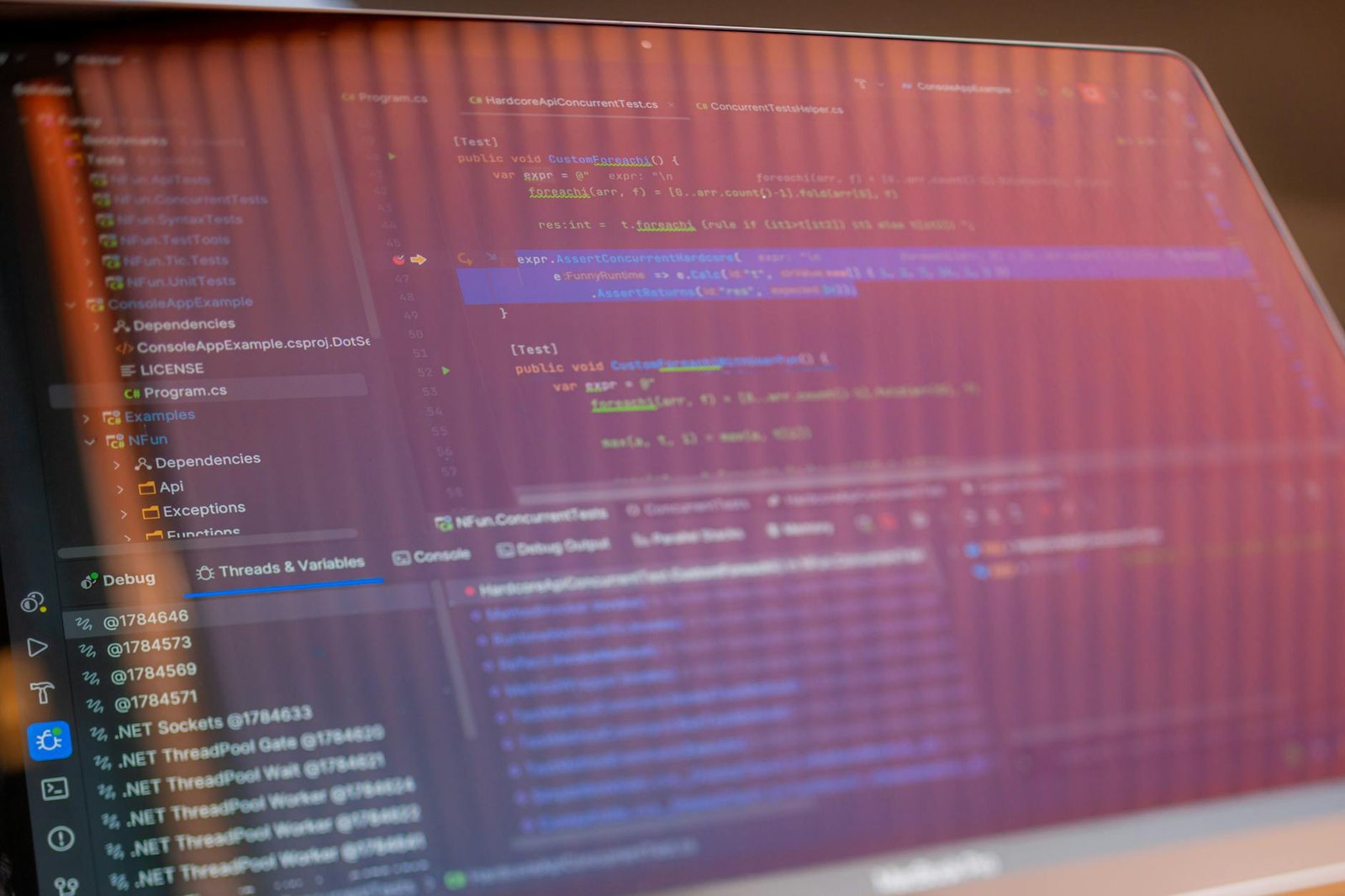
In 2026, precision in selecting your frontend stack is key. Next.js and Astro stand out as champions, but not every framework is worth your time. This guide walks you through what's worth your resources and what to sidestep.
A Glimpse into Frontend Development Now
The frontend market is a carousel of change. Tools once heralded as essentials are scrutinized for their long-term effectiveness. Hold that thought. Developers wade through a deluge of options, with frameworks springing up daily. Not always. In 2026, many teams remain mired in outdated tech stacks, causing inefficiencies and stifling innovation. While React and Vue still reign. One catch. New players like Next.js and Astro are shifting the conversation.
We’ve seen a surge of enthusiasm around frameworks. Take Astro, for example. Hard to ignore. Its expanding community and focus on speed optimization have grabbed headlines. Recent reports show a 150% climb in Astro's adoption year-over-year, indicating a shift in developer preferences. Meanwhile, stalwarts like Angular are losing ground as speed and simplicity take precedence.
This rapidly evolving market poses a question for product teams: how do you choose tools that meet current demands and future needs? Predictable. In a world where developer experience is king, striking a balance between what's trendy and what's pragmatic is essential.
Next.js and Astro: Today's Leaders
Choosing a contemporary frontend stack demands examining Next.js and Astro closely. Next.js has firmly established itself as the default framework for server-side rendering and static site generation. The catch: Boasting a solid ecosystem that clicks harmoniously with Vercel. Vercel notes that over 10 million websites now depend on Next.js. With adoption rates continuing to soar.
Astro, But gathers plaudits for its focus on performance. But not for everyone. Its approach to optimizing load times while reducing client-side JavaScript resonates with developers. Industry analysis suggests that sites built with Astro load up to 50% faster than their traditional counterparts. This advantage is critical. With Google cracking down on slow sites, teams can’t afford to ignore this.
The ultimate decision hinges on project specifics. For dynamic apps with heavy interactivity, Next.js stands out. For content-heavy sites where performance is key, Astro presents a persuasive alternative. Both frameworks offer distinct advantages, solidifying their spots as leaders in frontend stack discussions.
Essential Tools: TypeScript, Tailwind, and Beyond
A rock-solid frontend stack relies not just on a framework but on tools that enhance productivity. TypeScript transforms JavaScript development, offering type safety that cuts runtime errors. Surveys reveal nearly 80% of development teams are now embracing TypeScript. Underscoring its importance in modern software development.
Tailwind CSS disrupts traditional CSS frameworks with its utility-first methodology. Tailwind v4 simplifies styling, allowing rapid development without sacrificing customization. Developers report a 40% speed bump in styling when using Tailwind compared to Bootstrap or other frameworks.
tools like Sentry for error tracking and PostHog for product analytics are key for maintaining high-quality user experiences. Predictable. Sentry’s pricing, starting at $29 per month for small teams, offers an affordable way to monitor application performance. PostHog's open-source nature supports deep customization without vendor lock-in.
The Pitfalls: When New Isn't Better
The latest tools aren't always the best choice. Depends. Not every project needs the advanced features of Next.js or Astro. For simpler applications, lightweight frameworks or even vanilla JavaScript might do the trick. Your choice should mirror the project's complexity and the team's familiarity with the tools.
Frameworks like Remix and Nuxt have their merits. Especially for projects tethered to React or Vue ecosystems. However, they risk becoming niche, particularly Remix, which has struggled to gain traction against more established rivals. Here's why. Recent data shows Remix's market share under 5% as of May 2026.
some CSS-in-JS libraries, while fashionable, can bloat projects unnecessarily. Teams should evaluate their use case to avoid performance issues. For projects not needing reactive styling, traditional CSS or Tailwind may be more effective.
Strategic Advice for Modern Teams
For product teams gearing up to launch new apps. The strategy should be crystal clear: invest in tools that make sure longevity and performance. Start with Next.js or Astro based on your needs. Predictable. For a fast, SEO-friendly site, go with Astro. Mostly true. Not great. For dynamic apps, Next.js is the way to go.
Adopt TypeScript to boost code reliability and use Tailwind CSS for efficient styling. This blend enables quick iteration while maintaining high standards. For monitoring and analytics, employ tools like Sentry and PostHog. The catch: Provide real-time insights and enhance understanding of user interactions.
emphasize team training and documentation. As tools evolve, ensuring your team is skilled in best practices will keep your apps ahead. One catch. Our experience indicates that teams investing in ongoing education see a 30% reduction in bugs and faster delivery times.
Future Glimpse: The Next Frontend Stack
The frontend ecosystem is primed for considerable evolution in the years ahead. Depends. As frameworks like Next.js and Astro advance, expect more innovations in optimizing performance and enhancing developer experience. Sort of. The recent announcement of Astro Week. Sometimes. Featuring diverse talks and workshops, highlights the community's dedication to improving this framework.
AI tools are on the horizon for frontend development. Companies like Google and Microsoft are probing how AI can simplify workflows and enrich user experiences with predictive analytics.
As we approach 2027. Teams must stay agile. Sort of. Embracing change while critically evaluating new tools will be paramount. Tomorrow's frontend stack will likely prioritize not just performance but also developer satisfaction, because a content developer crafts superior products.
Read the full reviews
Next.js is a top framework for React, delivering the performance and scalability new product teams will crave in…
Astro's knack for delivering fast, content-centric sites aligns with the push for an optimized user experience in frontend…
Tailwind v4 offers a utility-first strategy that simplifies styling, making it a must-have for contemporary frontend teams.
Vercel make sure frictionless deployment for Next.js apps, making it essential for teams focused on speed and developer…
Cloudflare Workers make edge computing possible, enabling teams to create highly responsive apps that meet modern user demands.
Sentry's real-time error tracking is key to maintaining app reliability and enhancing the user experience in frontend projects.
PostHog provides essential insights into user behavior, informing frontend development strategies and improving product iterations.
Stripe's payment solutions integrate smoothly with modern frontend stacks, making it key for product teams focused on monetization.
Questions readers actually ask
What if I'm on a tight budget?
Can I keep one of my existing tools?
What would change my mind about using Astro?
Which company benefits most from adopting TypeScript?
External reporting referenced in this piece
- Tyler Smith performs “Starstruck Comedy” during Astro Week - cwuobserver.com — cwuobserver.com, Wed, 20 May 2026
- ASTRO and ESTRO Announce Agreement to Collaborate on Clinical Guidelines | Newswise - Newswise — Newswise, Mon, 18 May 2026
- ASTRO, ESTRO to collaborate on radiation oncology clinical guidelines - AuntMinnie — AuntMinnie, Mon, 18 May 2026
- Twins Defeats The Astro’s - Ingstad Media — Ingstad Media, Tue, 19 May 2026
- Astro Bob: How to find Venus in the daytime sky - Duluth News Tribune — Duluth News Tribune, Mon, 18 May 2026
- Texas dog training as surf lifeguard spots swimmer in distress before his owner - The Cool Down — The Cool Down, Tue, 19 May 2026
Marcus covers developer tooling and infrastructure economics. Six years writing about engineering org design before joining GAX Online.